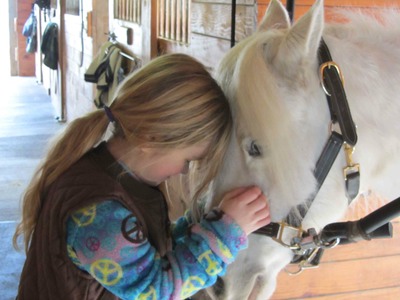
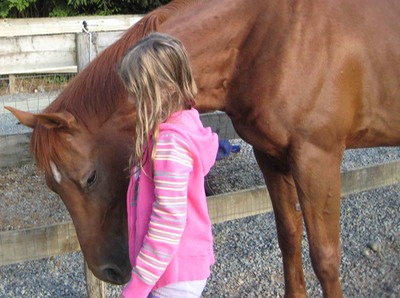
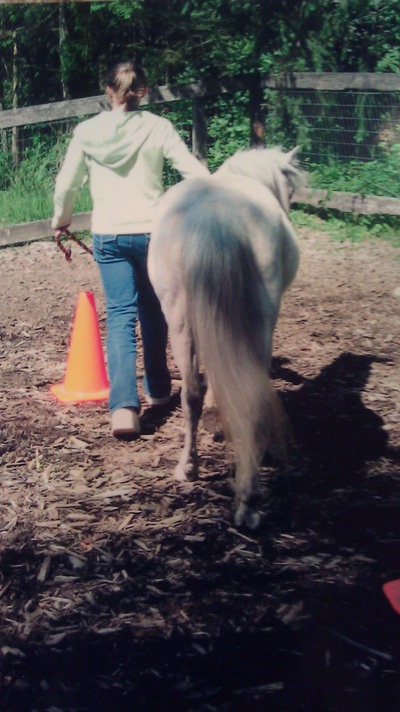
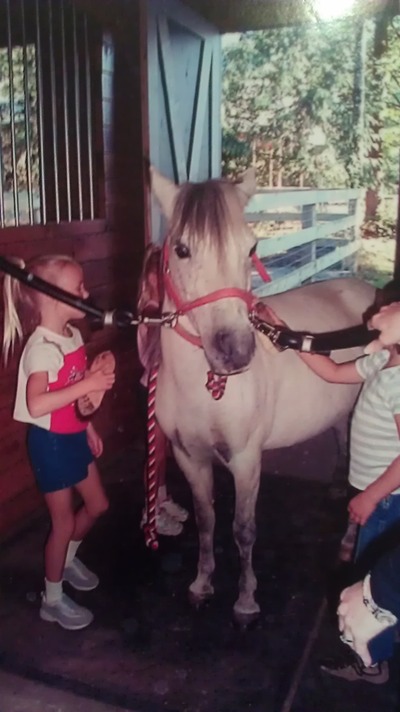
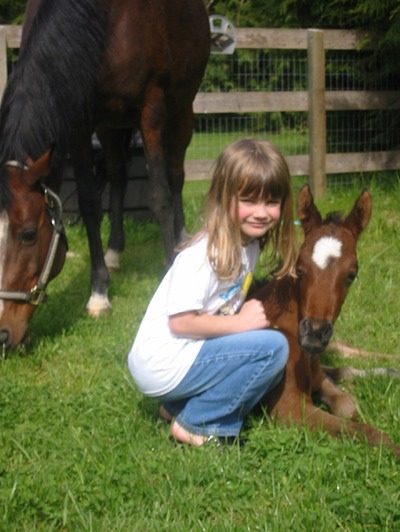
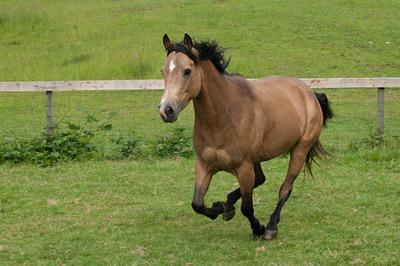
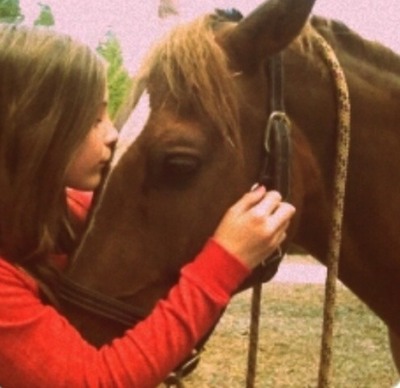
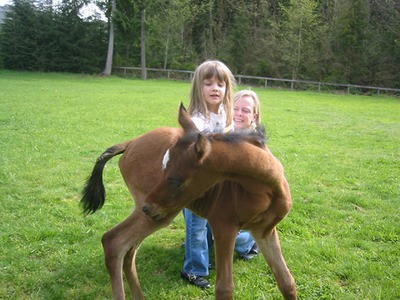
Heidi has been involved with horses for over 40 years including showing, teaching, managing barns, raising foals and partnering them with horses to enhance humans well being. For the past fifteen years Heidi has focused on utilizing Equine Assisted Psychotherapy (EAP) and Equine Facilitated Psychotherapy (EFP) in her private practice to help with anxiety, bereavement, ADD/ADHD, self-esteem, body image, life transitions, grief and loss, eating disorders, behavioral problems and addictive behaviors.
What is Equine Assisted Psychotherapy?
Equine Assisted Psychotherapy is a respectful, gentle, yet powerful form of experiential therapy. This unique method, combined with a serene natural setting provides a nurturing environment conducive to exceptional progress in personal growth.
Horses relate to others through their instincts alone, they have a very sensitive, and intuitive nature. They always act the way they feel. They don’t pretend. They respond to the intensity and energy of others behavior rather than words. For that reason a horses response to being handled by humans can provide powerful insight and learning experiences. Through the relationship the client has with the horse and the equine therapist facilitates a process of self-discovery and change for the client.
Why use horses in therapy?
Horses are a lot like humans in that they are social creatures and prefer to be with their peers. They have defined roles within their herds. They have distinct individual personalities, attitudes, and moods. At times, they seem stubborn and defiant, or happy and playful. An approach that seems to work with one horse does not necessarily work with another. In other words, horses provide vast opportunities for metaphorical learning. Using metaphors, in discussion or activity, is an effective technique when working with even the most challenging individuals or groups.
In addition to the unique power of horses, the setting in which EAP takes place contributes to its effectiveness. Instead of being closed in by four walls, participants can experience nature, it’s beauty and it’s unpredictability. This freedom and lack of conventional structure stimulates growth and learning. Defenses are quickly eliminated and clinical issues emerge as participants interact and complete tasks with the horses.
How does the process work?
• Challenges clients in non-threatening ways that are open and honest
• Quickly breaks down defensive and aggressive reactions
• Gives rise to immediate cause and effect situations
• Captivates and holds attention
• Promotes change from self limiting, dysfunctional patterns to more healthy ones
• Can be serious and fun at the same time
• Can be directive (active lead) or non-directive (reaction lead) to suit the client or group
• Activities can be a challenge and provide insight into how problems are handled.
• Participants get immediate, honest feedback from horses. This helps to enhance self-awareness and nonverbal communication skills.
• Completing activities takes creative thinking and problem solving! It teaches people to think outside of the box.
• The social nature of horses is the same as humans,
• They seek the company of others and develop strong bonds
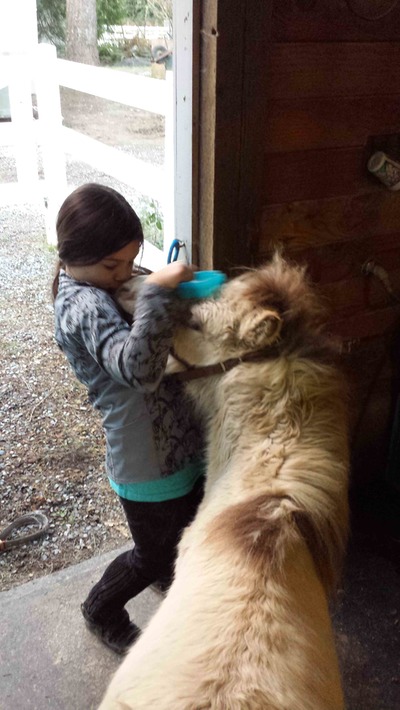
• Children and adolescents, once fearful or timid, achieve a great sense of accomplishment after successfully completing a challenging task.
What are the benefits?
• Promotes self-awareness and reflection
• Increases self-confidence and self-esteem
• Leads to better communication, verbal and non-verbal
• Helps with identifying strengths
• Improves relationships
• Gives sense of responsibility for self and others
• Develops self discipline
• Increases problem solving skills
• Encourages creative thinking
• Increases assertiveness
• Increase responsibility and empathy
• Develops trust and respect
• Encourages healthy leadership and teamwork
• Promote healthy attachment and trust
• Lots of opportunity for fun and humor!